


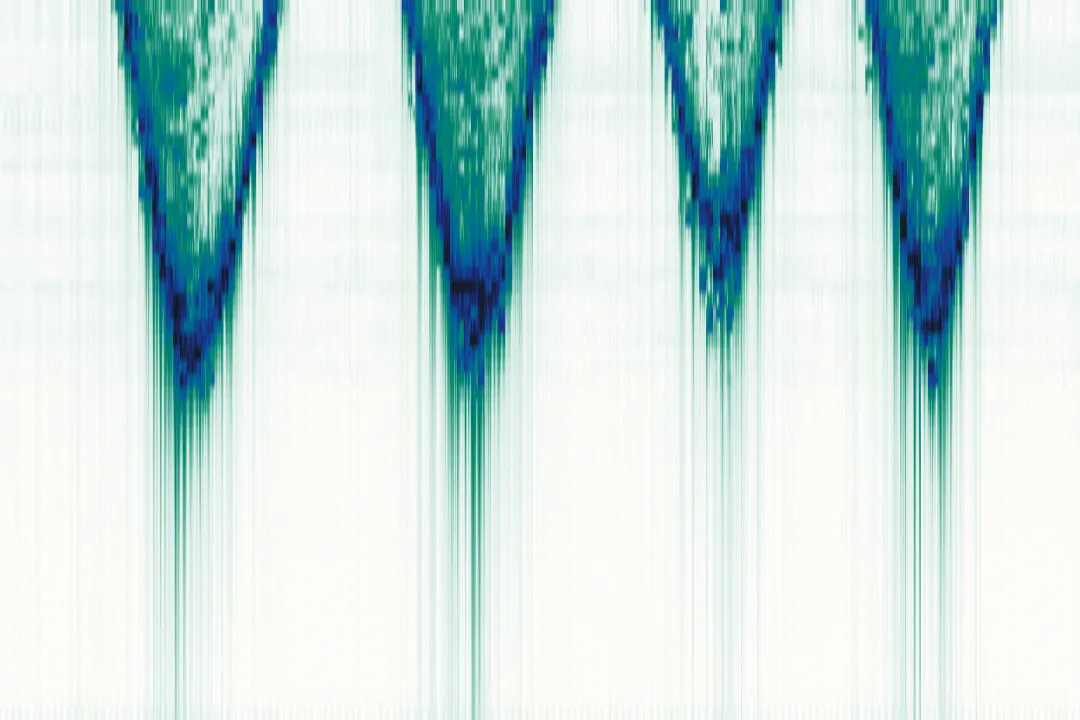
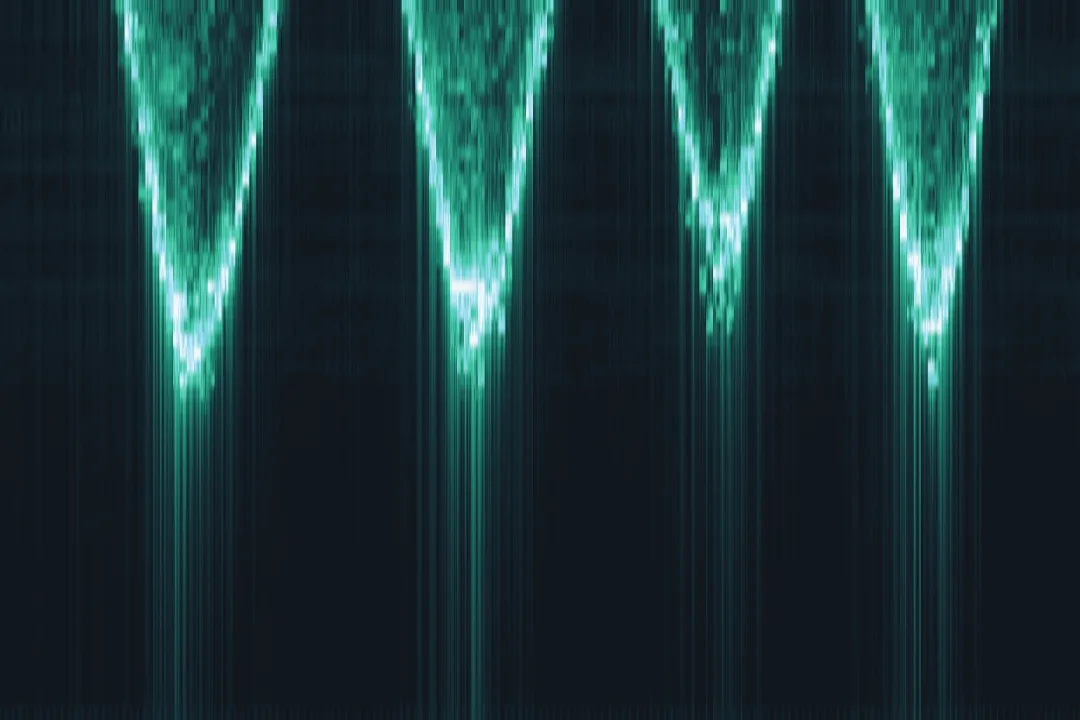
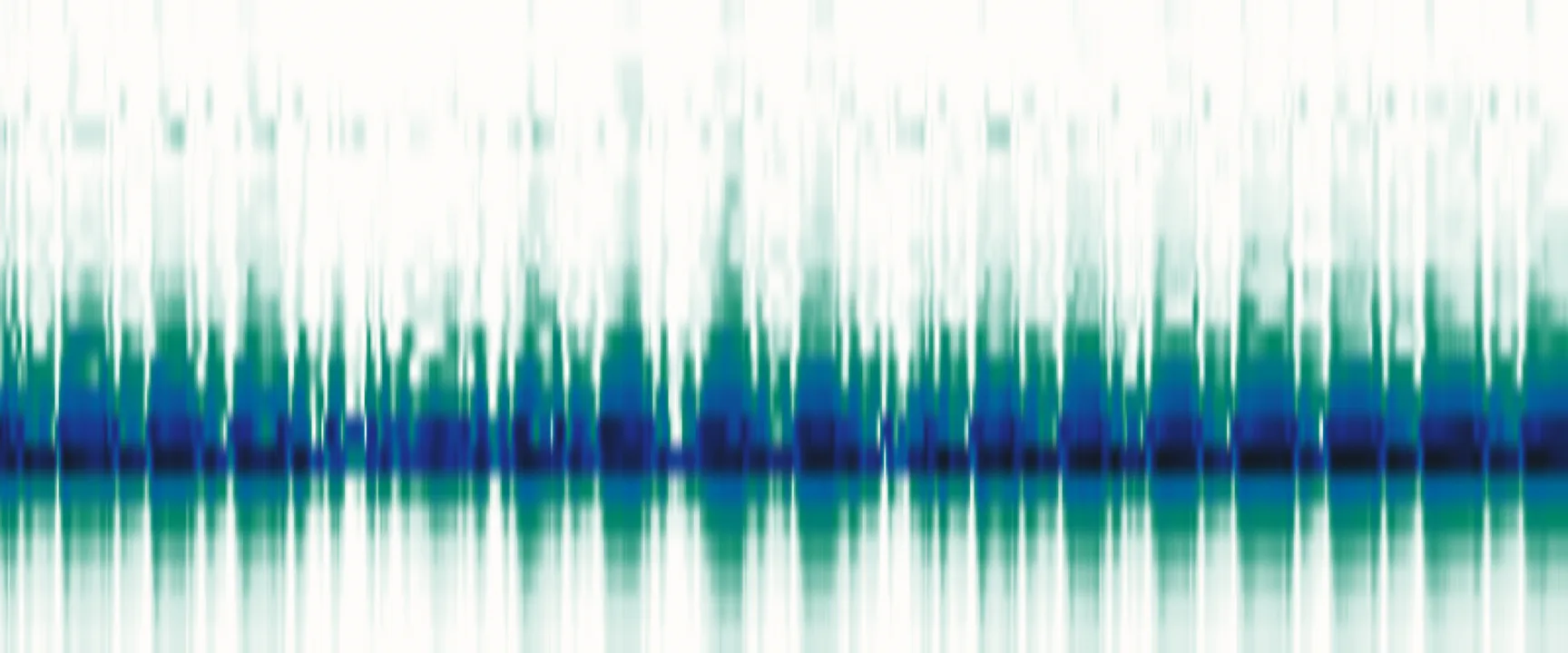
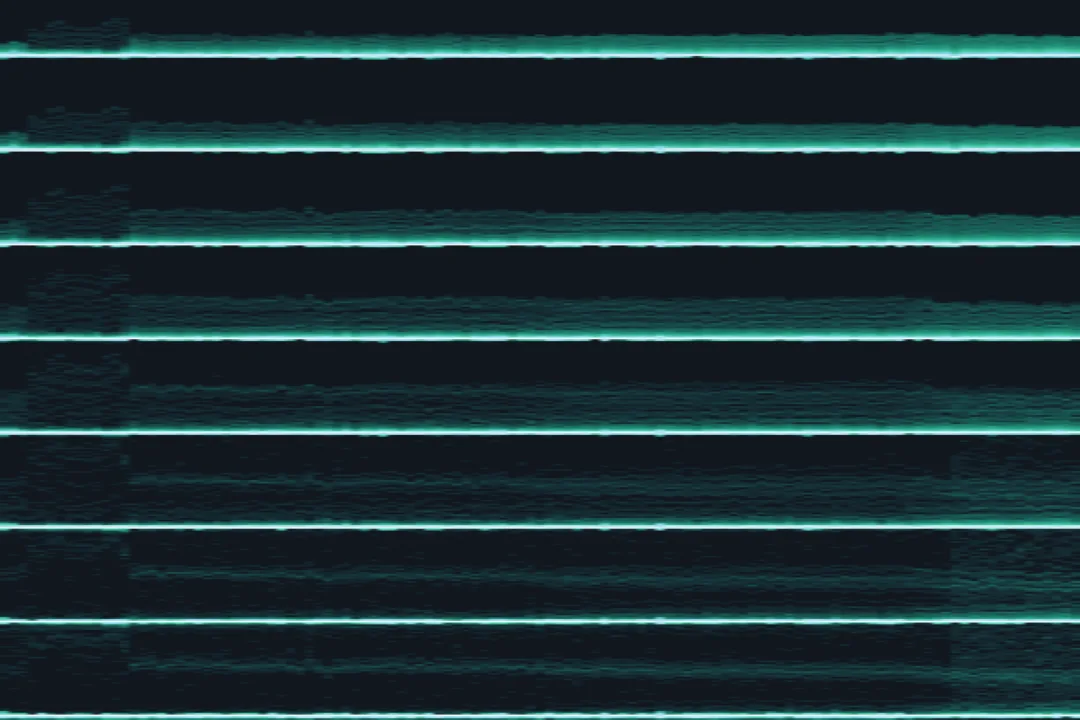
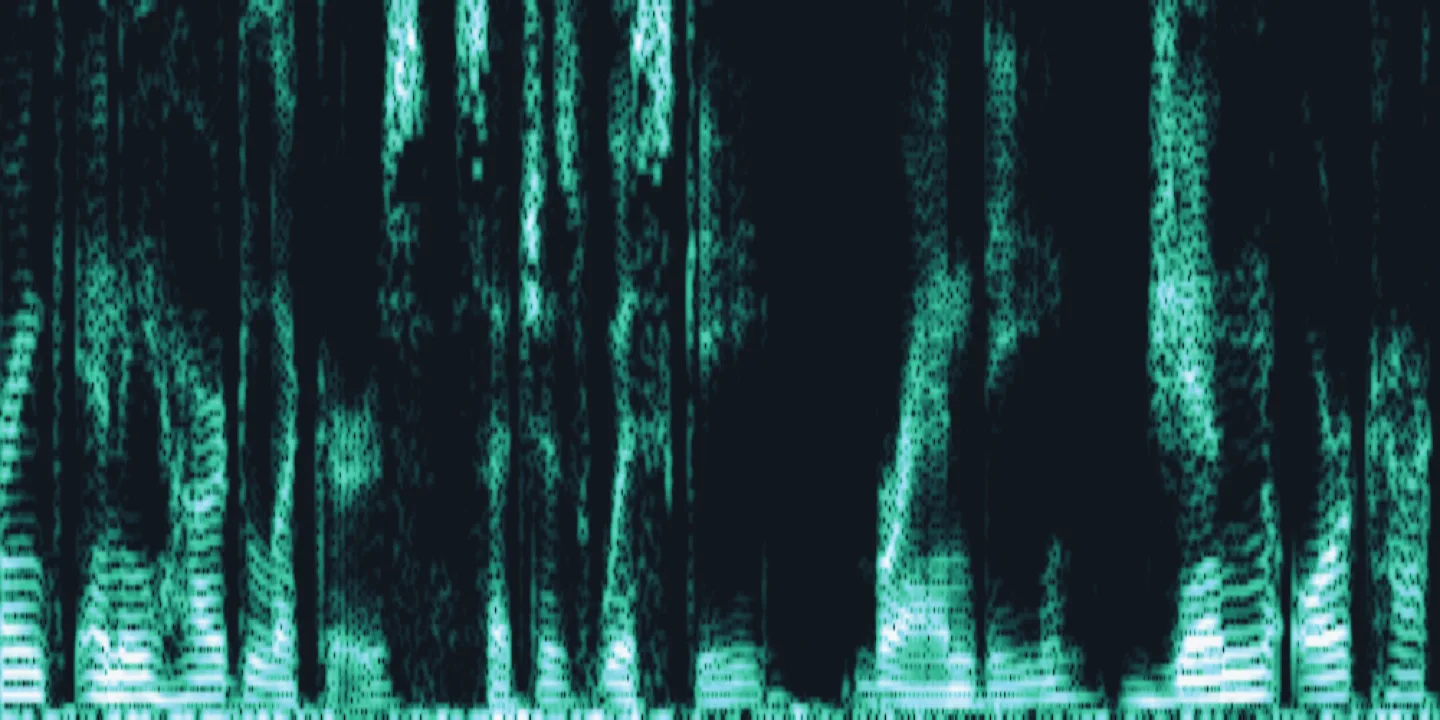
Human MotionRange over time with static clutter removed. A moving person traces the bright paths.NMSE at 4–32×
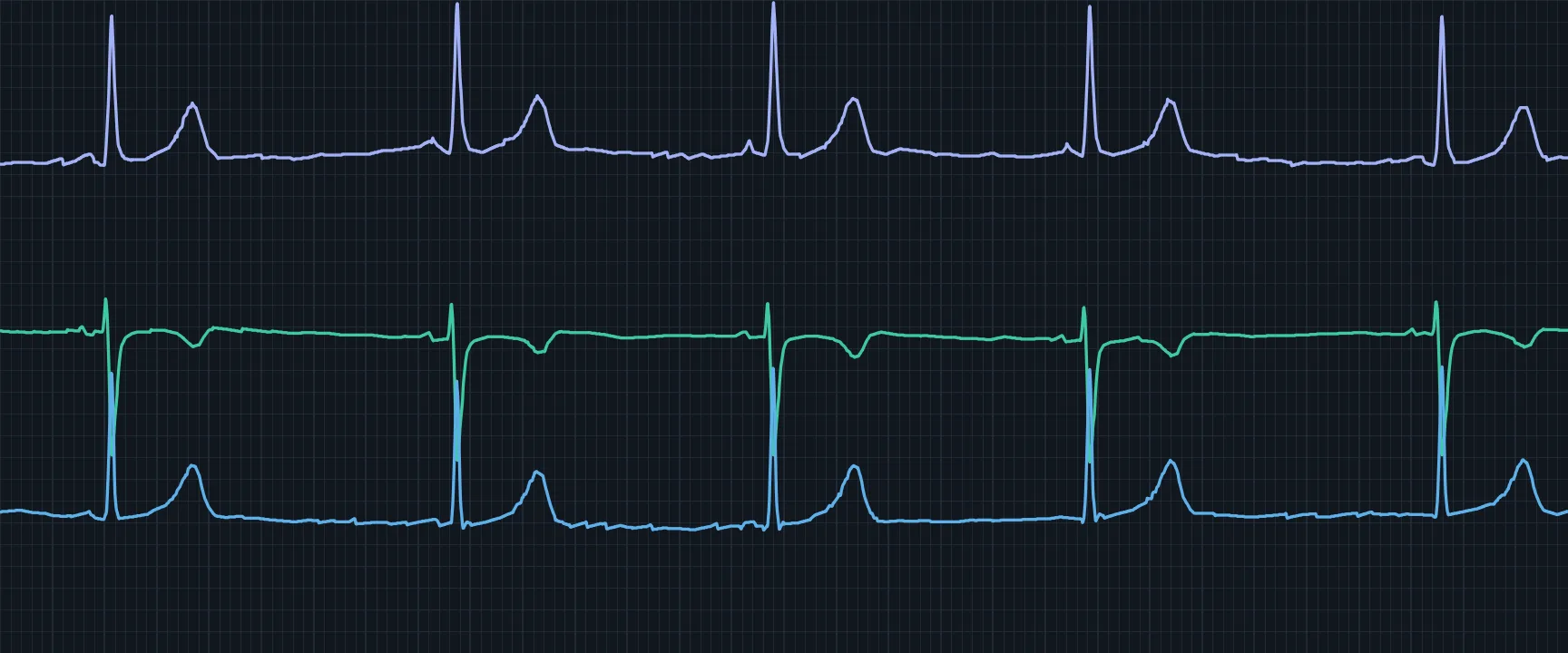
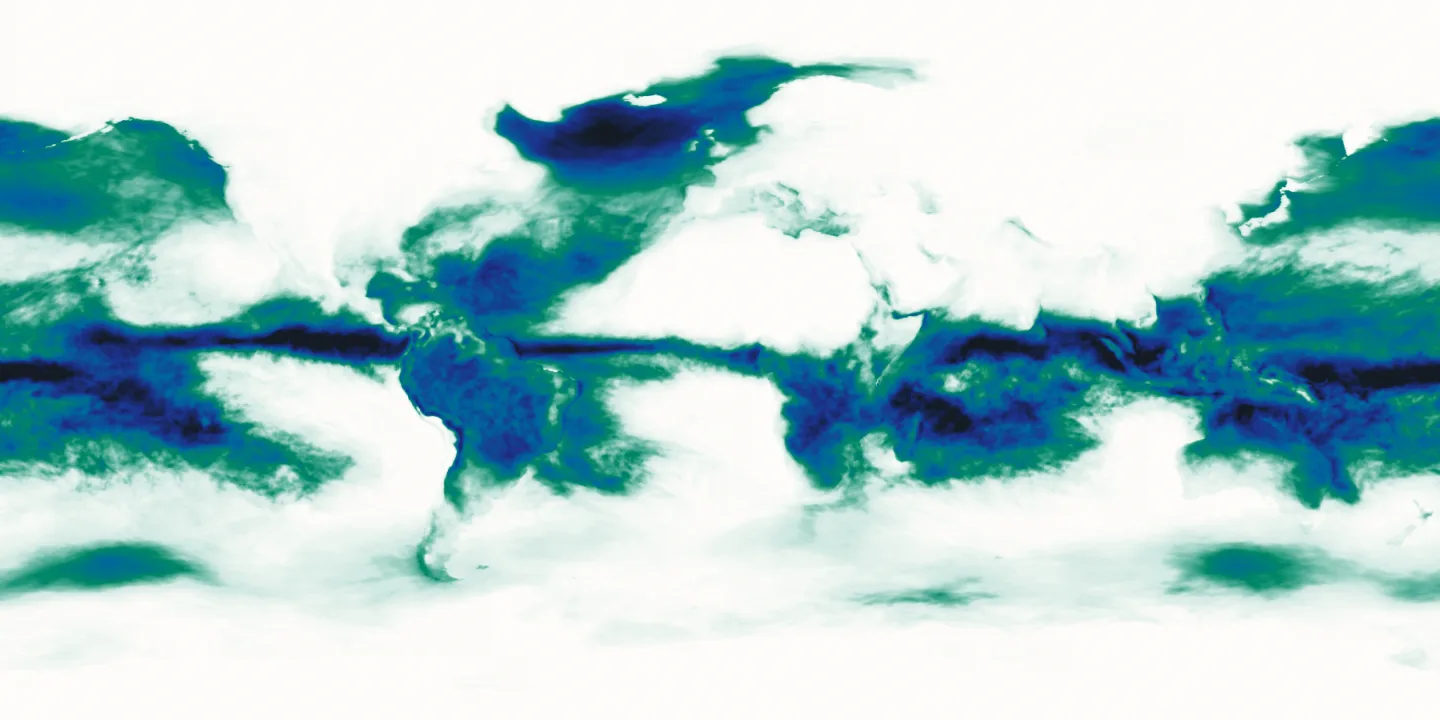
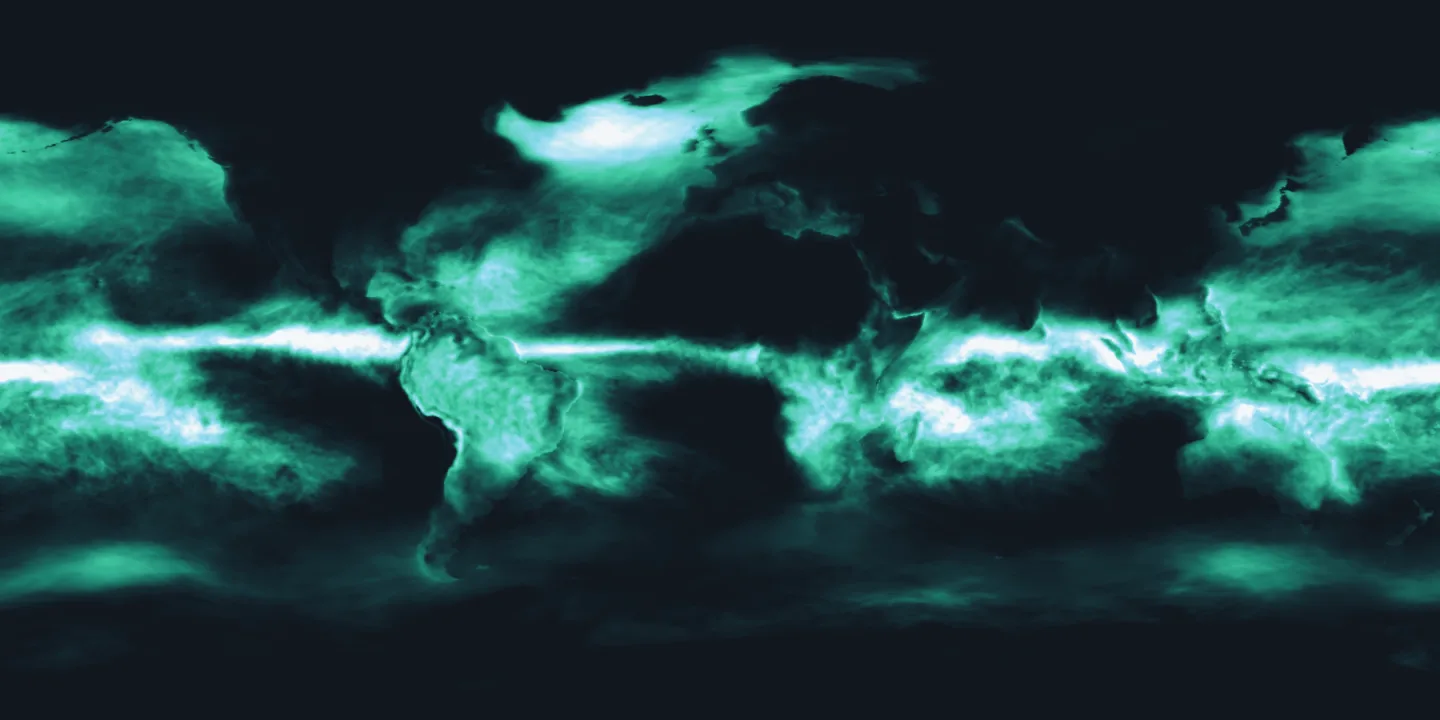
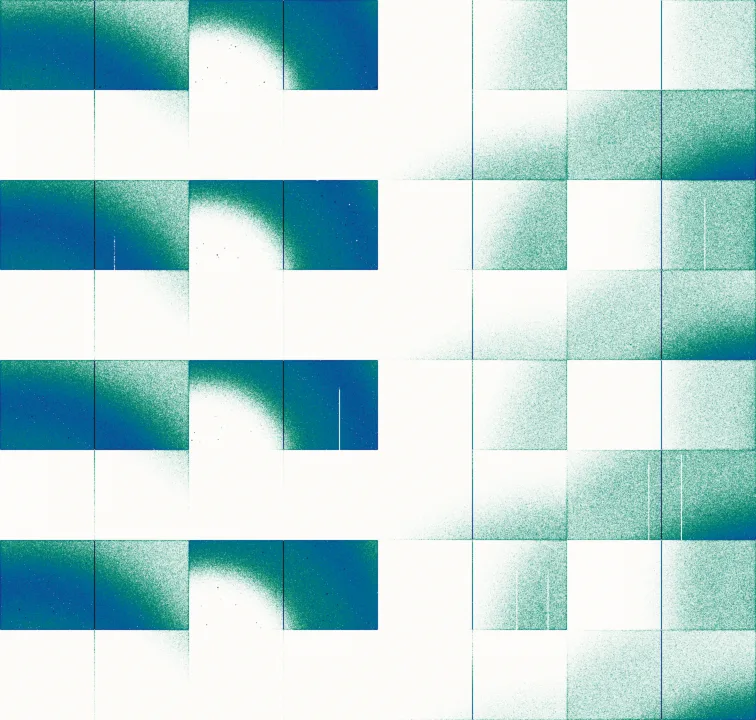
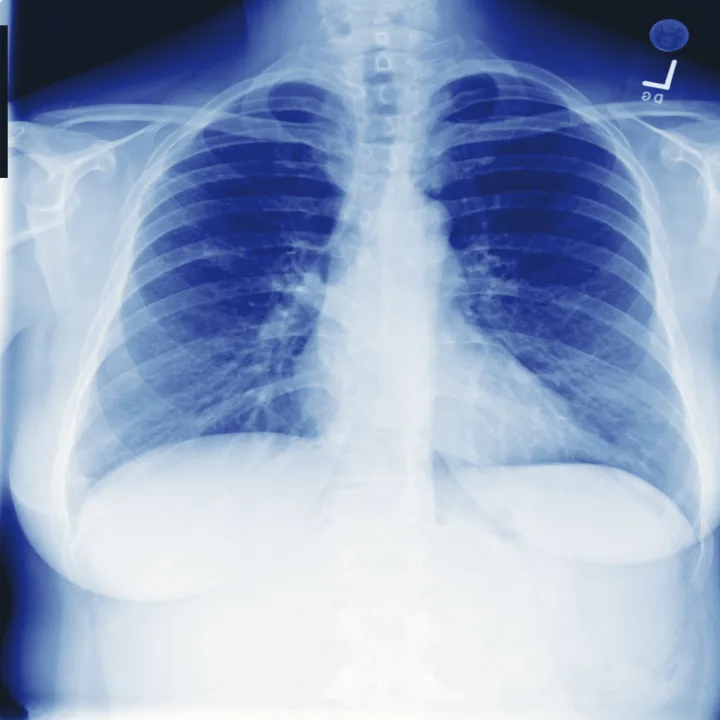
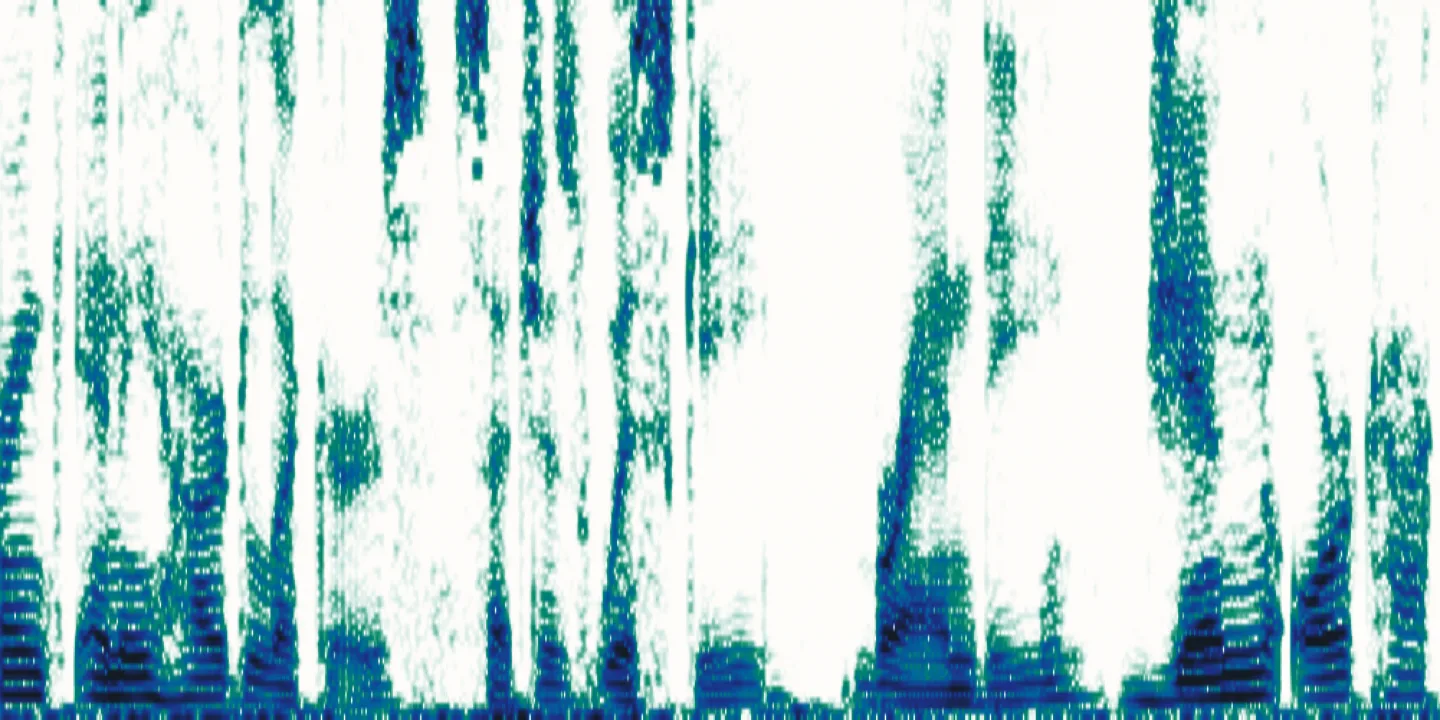
Any data you can load as arrays. The nine datasets below are the ones in our experiments, across sensing, science and media. Click a card to see why its data matters.

The agent experiments. The harness judges. Everything the agent may touch runs in a sandbox; the evaluator and the test split stay outside it.
Each session starts fresh and builds on the evidence. Experiment-Driven Recursive Self-Improvement keeps every version and a report from every session, instead of one ever-growing conversation.
Bring your own agent. Peacodec works with most coding agents, proprietary or open-source. An agent is a scaffold plus a model; the data, prompt and evaluator stay the same for every one.
Any coding agent that runs headless in a terminal, with the model of your choice. Add one adapter file, agents/scaffolds/<name>.sh, that says how to start it, where its session log lives and how it counts tokens.
The four tested in the paper run in the same container, with the same tools, network rules and evaluator. Vendor models run at high effort.
Leaderboards arrive once the test splits are scored. Per-task rankings of agent-designed codecs and baselines, with each codec's search tree.
Prepare a run with one command. Set your data and image paths in config.toml, then render a task without starting the agent; drop --dry-run to start it.
$ python3 harness/launch.py --dataset human-motion --goal lossy-nmse \
    --scaffold claude-code --model opus --effort high --prompt default \
--network tools --hours 3 --max-evals 0 --dry-run@inproceedings{peacodec2027,
title = {Data Compression through Agentic Recursive Experimentation},
author = {Anonymous Author(s)},
booktitle = {Under review},
year = {2027}
}